Together for The Church of England responds to the decision of General Synod to progress with inclusion of LGBTQIA+ people:
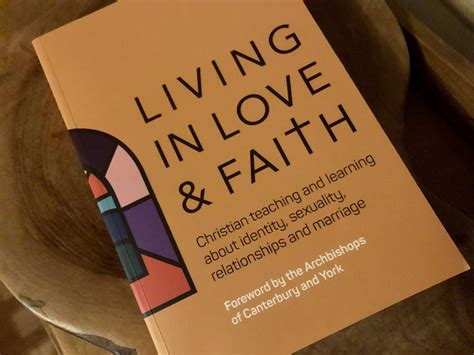
It has been nearly ten years since General Synod rejected the House of Bishops’ refusal to change the Church of England’s provision for LGBTQIA+ people. Since then, the Church has invested enormous time and hope in Living in Love and Faith, encouraged by the promise of “radical new Christian inclusion”, following in the footsteps of our saviour Jesus Christ. In 2023, the House of Bishops brought forward the Prayers of Love and Faith. Yet what has followed has not been delivery, but delay — and, in the face of threats and intimidation, a steady retreat from what Synod agreed.
The Church of England remains in an unjust and indefensible position. Clergy are still refused licences, and candidates barred from ordination, if they enter a marriage to someone of the same sex. “Bespoke services” – in which the commended ‘Prayers of Love and Faith’ can be offered outside of a regular service – remain unauthorised, albeit with very little legal justification. This is both pastorally and theologically deeply problematic and fails to meet the needs of both progressives and those who find the presence of such prayers in regular services to be painful and difficult. Together for the Church of England has consistently argued — in Synod and beyond — for the change that majorities in multiple sessions of the General Synod have repeatedly supported, and which reflects our belief that God is a God of justice and hope, who deeply desires us all to flourish in love and faith. Among people in the pews, and among faithful LGBTQIA+ Christians across the country, the need for reform is clear. Delay is no longer a neutral act. It perpetuates harm.
The passing of today’s motion with a nearly two-thirds majority, with the support of Together, cements the direction of travel towards change, and it is now time to move towards delivery, at pace. The working group must start its work, and do so without any further delay. The pain of deferment and dithering was clearly heard in the chamber, and it is now time to make the positive, practical change that so many long for, without structural change to the church. At the very minimum, this means introducing the legislative change required to enable clergy to enter into civil marriages to people of the same sex, but it is also clear that the time is ripe for a full and serious discussion about the doctrine of marriage. Our private members’ motion, which we hope to be tabled in July, will be a first step in that conversation:
‘That this Synod affirm that there are no fundamental objections to being in a committed, faithful, intimate same-sex relationship, and that such a relationship can be entirely compatible with Christian discipleship.’


Leave a Reply